TCL is moving from Mini LED market scale to category leadership after topping global Mini LED TV shipments in the first half of 2026.
Mini LED is entering a different stage of its development. The technology is no longer defined only by early adoption or flagship availability. It is becoming a larger part of the global TV market, which means leadership in the category increasingly depends on what a brand contributes beyond simply putting Mini LED into a product range.
TCL has established significant scale in the Mini LED category. According to Omdia data cited in TCL Electronics interim results, TCL ranked No. 1 globally by Mini LED TV shipment volume in the first half of 2026. TCL reported 2.43 million Mini LED TV shipments during the six-month period, up 77.1% year on year. In 2025, TCL reported a 31.1% share of global Mini LED TV shipments, also based on Omdia data, while its Mini LED TV shipment volume increased by 118.0% year on year. These figures establish TCL’s market position. But as Mini LED becomes more widely adopted, category leadership requires a broader definition.
Scale Is the Proof Point, Not the Whole Story
Shipment volume provides a clear measure of adoption and commercial reach. It shows that a technology has moved beyond a limited segment of the market and that a manufacturer has built meaningful scale around it. What it does not explain on its own is how the technology is implemented or what ultimately determines the quality of the experience.
That is where the next stage of Mini LED leadership becomes more technical.
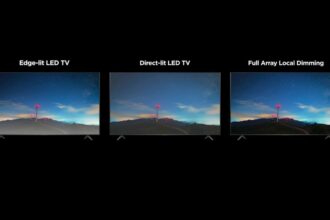
Mini LED starts with the ability to use smaller LEDs to create denser backlight systems. But the value of that hardware depends on how the backlight is engineered and controlled. Hardware local dimming determines whether different physical areas of the backlight can be controlled independently. Dimming zone count and precision influence how finely that control can be distributed across the screen. Full Array Local Dimming provides an architecture in which controllable zones are distributed behind the panel, creating the physical basis for more localised light management.
These elements are most useful when considered together rather than as isolated specifications. Brightness becomes more meaningful when it can be directed to the appropriate areas of an image. A greater number of zones becomes more useful when those zones can be controlled precisely. Full Array Local Dimming matters because the location of the controllable backlight provides the foundation for managing light across the screen.
This creates a more useful way of discussing Mini LED. Instead of treating the technology name as the end of the conversation, it becomes the starting point for understanding the hardware and architecture behind it.
Why the Timing Matters
The timing of this shift is significant. Omdia reported that Mini LED televisions represented 13% of global TV shipments in the second quarter of 2026. As adoption grows, consumers are likely to encounter Mini LED across a broader range of televisions and price points. With greater familiarity comes a greater need for clear ways to understand the differences between implementations.
That also changes what leadership can mean for manufacturers.
When a technology is still emerging, bringing it to market can itself be a significant point of differentiation. As adoption expands, however, leadership becomes increasingly connected to how effectively a company develops the underlying technology, communicates its value and helps consumers understand what they are actually evaluating.
For TCL, this next phase follows substantial Mini LED scale and a current global leadership position based on first-half 2026 shipment volume. But the significance of that position extends beyond the shipment figure itself. A large market presence creates an opportunity to contribute to how the category is understood, particularly by connecting the Mini LED label with the technical fundamentals that influence performance.
That means making concepts such as hardware local dimming, zone precision and Full Array Local Dimming easier for consumers to recognise and understand. It also means encouraging a conversation around implementation rather than allowing the technology name alone to become the measure of performance.
The evolution of Mini LED is therefore also an evolution in how the category should be discussed.
Market scale provides the evidence that a technology has reached a meaningful level of adoption. Technical fundamentals provide a way to understand how different implementations can deliver that technology. Consumer education connects the two by giving people a clearer framework for evaluating what they see in the market.
For TCL, category leadership can consequently extend beyond shipment volume. Its position in Mini LED provides the scale to participate in the category’s development, while a focus on technical fundamentals and clearer consumer understanding can help shape a more informed conversation around the technology. That is a more durable view of leadership: not simply bringing Mini LED to more consumers, but helping the category become easier to understand as it grows.